Sweden's Regulatory Framework Shapes Poker and Slots Access Within the Capital's Nightlife Circuit
Frankie Lang · Oct 9, 2026
Sweden's Regulatory Framework Shapes Poker and Slots Access Within the Capital's Nightlife Circuit
Sweden introduced its current gambling legislation in 2019, and this system continues to define how operators provide poker and slots in Stockholm's bars, clubs, and entertainment districts. The Swedish Gambling Authority oversees licensing, and all commercial gaming activities require permits that specify game types, venue standards, and player protections. Data from official records shows that land-based establishments must comply with strict location rules, which limit slot machines in nightlife spots to approved sites and cap the number of devices per location.
Core Elements of the Licensing System
Operators seeking to place slots or host poker games in the capital apply through a structured process that evaluates financial stability, technical compliance, and responsible gambling measures. The framework separates online and land-based activities while requiring physical venues to maintain age verification systems and display clear information on betting limits. Researchers tracking market data note that licensed venues in Stockholm report usage patterns that align with national averages for session lengths and average stakes.
Local nightlife circuits integrate gaming through partnerships between bar owners and licensed gaming companies, and these arrangements must follow municipal zoning guidelines that restrict gaming areas to designated zones. Figures from industry reports indicate that poker tournaments occur primarily in dedicated card rooms or larger entertainment complexes rather than casual bar settings, because tournament formats trigger additional reporting requirements on prize pools and participant tracking.
Poker Operations in Stockholm Venues
Poker rooms operate under the same licensing umbrella as other table games, and authorities require operators to separate poker areas from slot zones in shared spaces. Nightlife establishments that host cash games or scheduled tournaments submit regular activity logs, and compliance audits occur at intervals determined by the regulator. Observers note that this structure keeps poker concentrated in a limited number of central locations, which reduces the spread of unregulated private games that previously operated outside oversight.
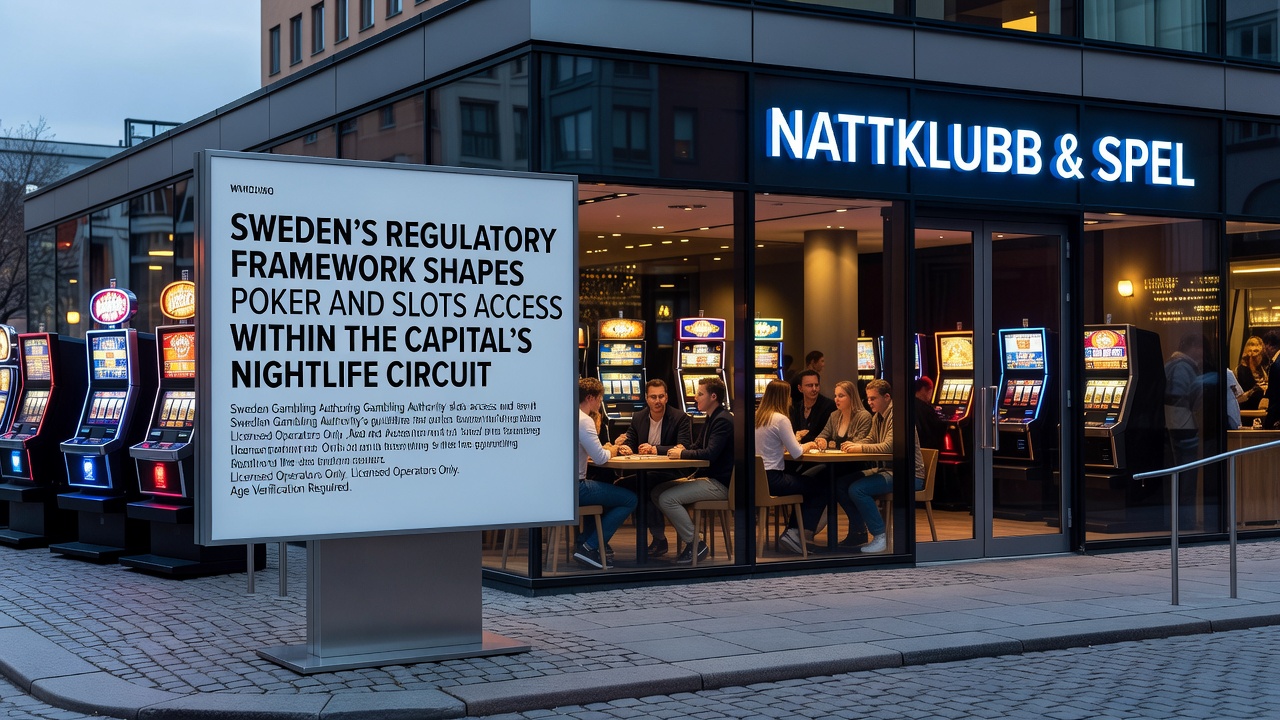
Those who manage poker events in the capital coordinate with security protocols that include ID checks and spending limit tools, and these measures match requirements set out in the national gambling ordinance. Data collected through the licensing portal shows steady participation numbers in licensed poker events throughout 2025, with October 2026 marking the next scheduled review period for several multi-year permits held by major operators.
Slots Placement and Nightlife Integration
Slot machines in Stockholm nightlife venues fall under the same regulatory umbrella, and operators must install machines that meet technical standards for random number generation and payout verification. Establishments combine slots with other entertainment offerings, yet gaming floors remain physically separated from dining or performance areas in most cases. Reports compiled by the authority reveal that slots generate the majority of land-based revenue in urban settings, and this revenue stream supports continued investment in venue upgrades.
Access rules require that slot areas operate only during licensed hours, and staff training programs cover identification of problem gambling behaviors. Municipal authorities work alongside the national regulator to enforce these standards, and joint inspections occur throughout the year. Industry associations track how these combined efforts affect machine placement decisions, and data indicates that newer nightlife developments include fewer slots per square meter than older establishments.
Player Protections and Market Data
National rules mandate self-exclusion registers and deposit limits that apply across both online and land-based channels, and Stockholm venues display information about these tools at entry points. Studies conducted by Nordic research institutions show that awareness of these protections has increased among frequent visitors since the 2019 reforms took effect. The framework also requires operators to contribute to a central fund that finances treatment programs, and annual contributions are calculated based on gross gaming revenue.
October 2026 brings the next round of license renewals for several key operators active in the capital, and applicants must demonstrate ongoing compliance with updated technical standards for game fairness. External analysis from European gaming research groups suggests that these renewal cycles help maintain consistent standards across different nightlife districts.
Conclusion
Sweden's regulatory structure continues to guide how poker and slots appear within Stockholm's nightlife through licensing conditions, venue restrictions, and player safeguards. Official records and compliance data demonstrate that operators adapt their offerings to meet these requirements while maintaining presence in central entertainment areas. As renewal deadlines approach in late 2026, the system remains focused on balancing commercial access with established oversight mechanisms.